Engineering insights that transform your spraying performance
SprayingBasics
The science behind smarter spray systems: At Simaflex, we don’t just bolt on spray bars — we engineer them using the principles of fluid dynamics, nozzle mechanics, and practical site performance.
This page breaks down the fundamentals that drive spray system design, helping you understand why getting the basics right makes all the difference in throughput, water savings, and maintenance.
01
Spray Formation & Atomisation
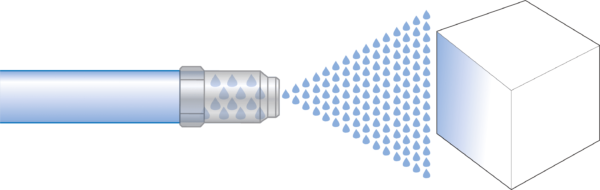
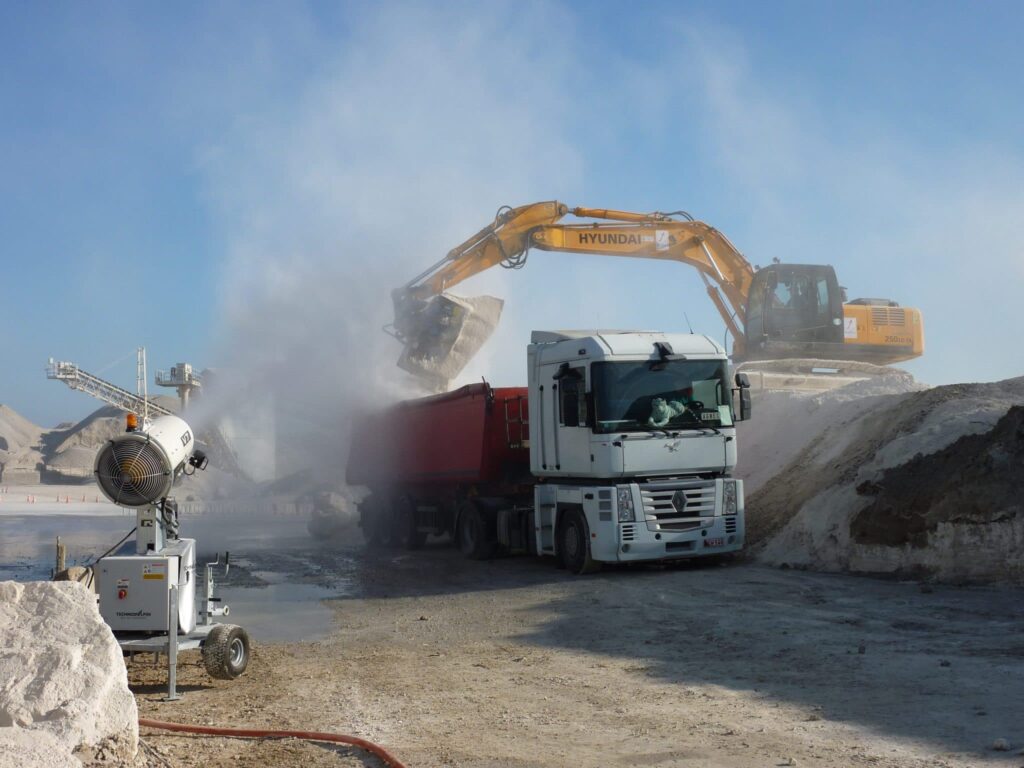
Spray nozzles work by converting fluid pressure into a stream of droplets. Depending on the nozzle design, we create different spray patterns to suit different applications — from aggressive ore washing to fine mist dust suppression.
We use four primary spray mechanisms:
Pressure nozzles – Simple, high-pressure jets used for washdown.
Swirl (vortex) nozzles – Create full or hollow cone sprays through internal turbulence.
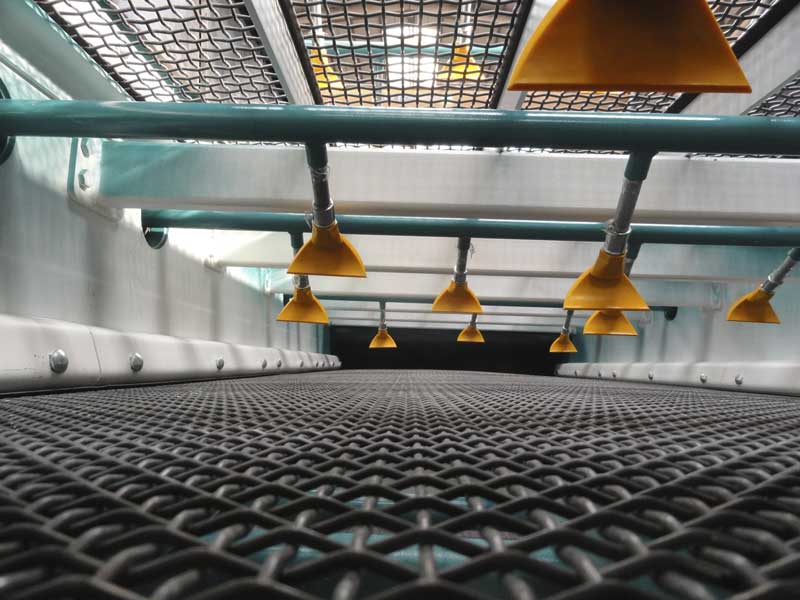
Deflection nozzles – Use a flat surface to spread the fluid into a fan pattern.
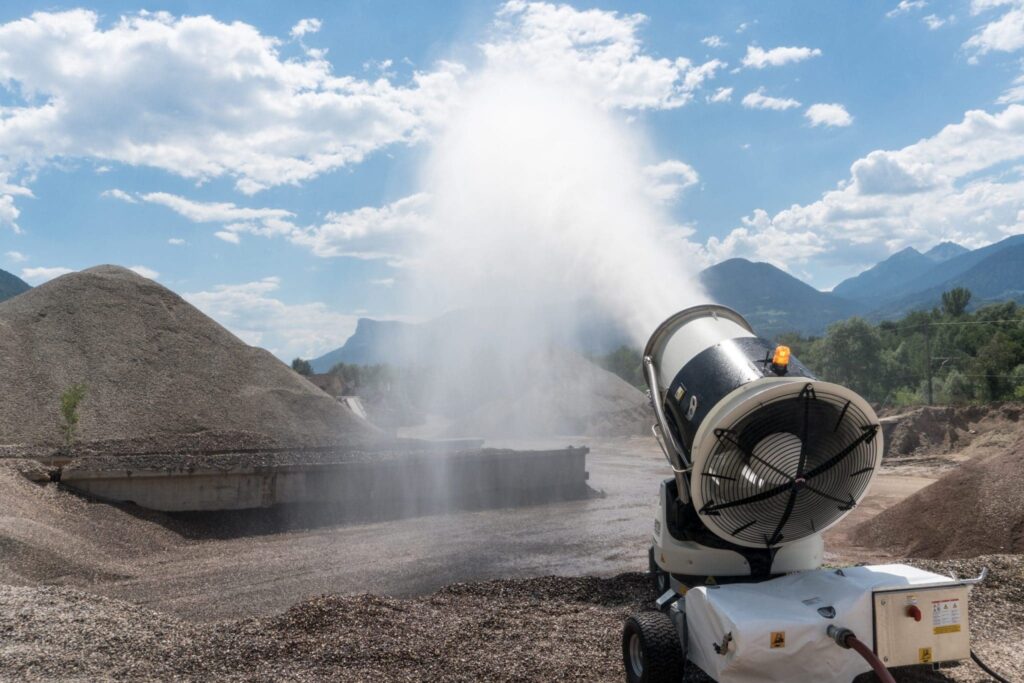
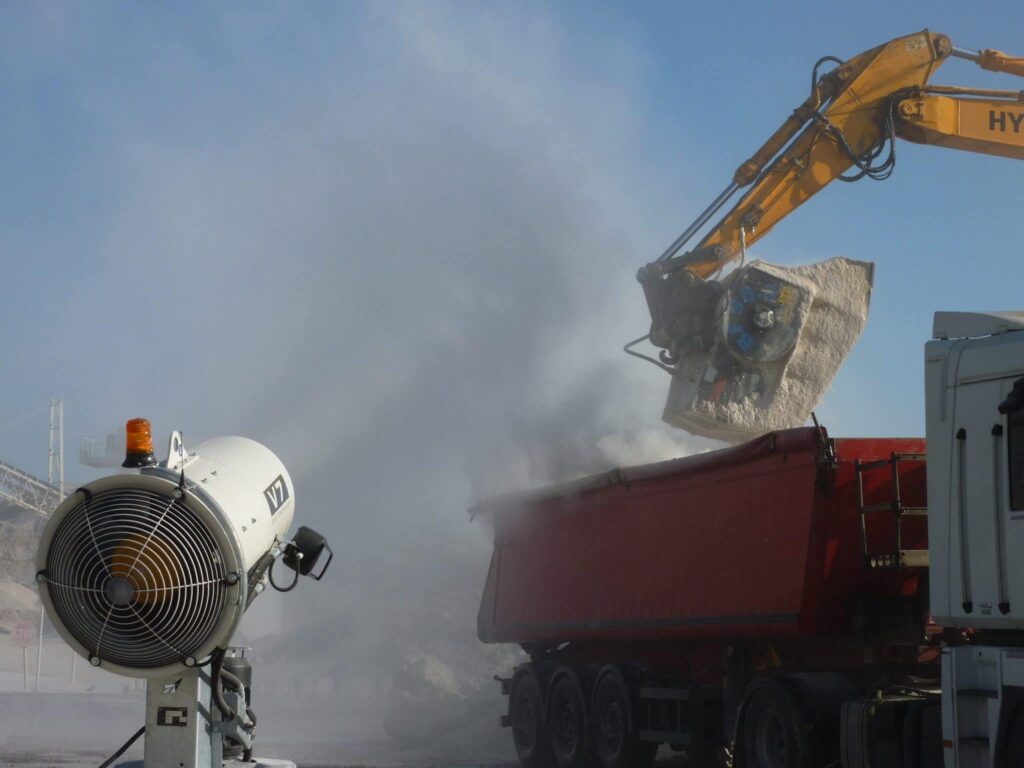
Air-assisted or misting nozzles – Generate ultra-fine droplets for dust control
Each is selected based on flowrate, spray angle, droplet size, and system pressure.
02
Spray Efficiency & Droplet Size
The effectiveness of a spray system comes down to how well it:
Delivers water to the target area.
Converts pressure into useful kinetic energy.
Maintains a consistent spray pattern over time
We focus on:
Nozzle efficiency (η) – How much pressure is converted into velocity.
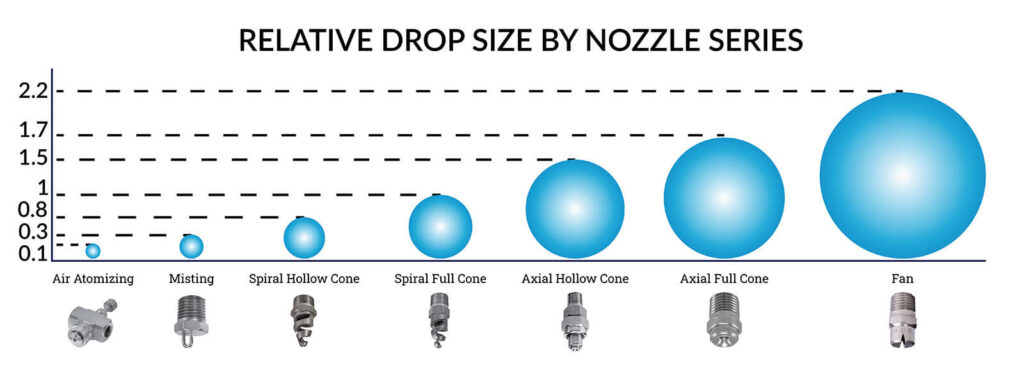
Sauter Mean Diameter (D₃₂) – Measures the average droplet surface-to-volume ratio.
Spray uniformity – Ensures full coverage without overspray or dead zones
Larger droplets = more impact, better for washing Smaller droplets = more coverage, better for dust suppression
03
Spray Angle & Coverage
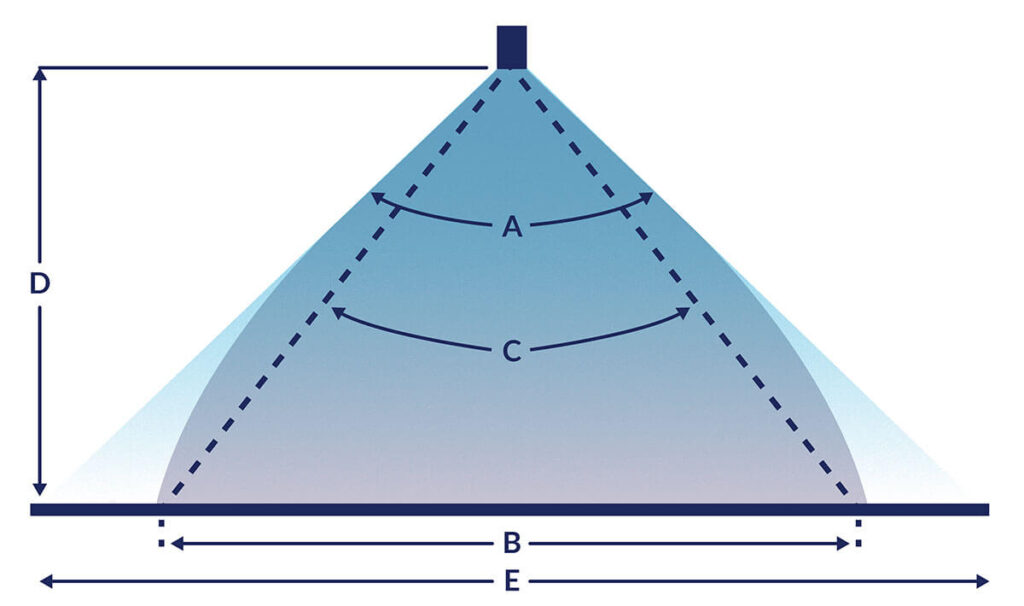
Spray angle determines the width of the spray pattern at a set distance. We calculate spray width based on:
Width=2⋅tan(θ/2)⋅d Where: • θ = spray angle • d = distance to the target
We balance spray angle, pressure, and height to ensure the spray hits the ore, not the gaps — avoiding both underspray and flooding.
04
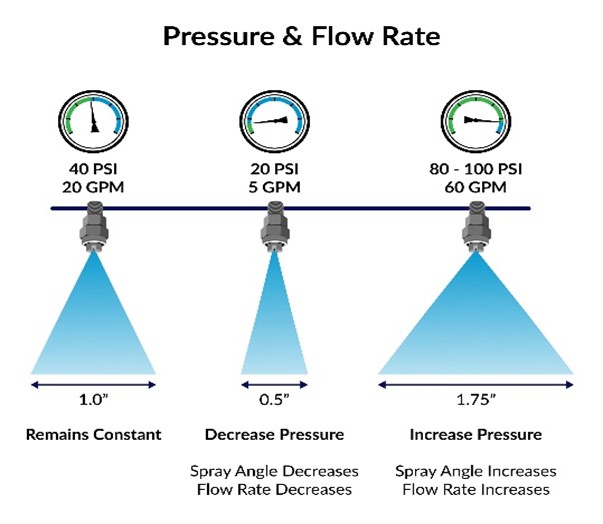
Flowrate vs Pressure
Nozzle flowrate follows this rule:
Q = K √(-P)
Where:
• Q = flowrate (L/min)
• P = pressure (bar)
• K = nozzle coefficient
We use this to match nozzles with your pump capacity, water supply, and performance needs — no guesswork, just physics.
05
Wear, Materials & Mounting
Nozzles wear over time. When orifices enlarge, flow increases, spray patterns distort, and water gets wasted.
To mitigate this:
We use ceramic, stainless steel, or polymer materials based on abrasion and corrosion.
We install strainers to block grit and debris.
We use quick-change, swivel, or modular fittings to make maintenance fast and safe
06
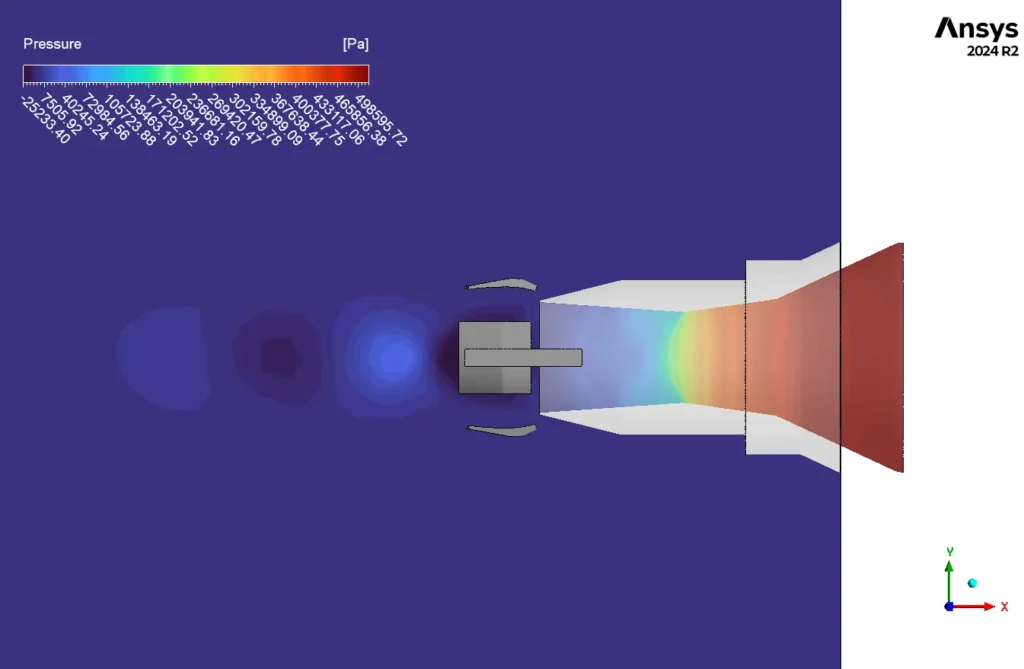
Simulation Tools: CFD & DEM
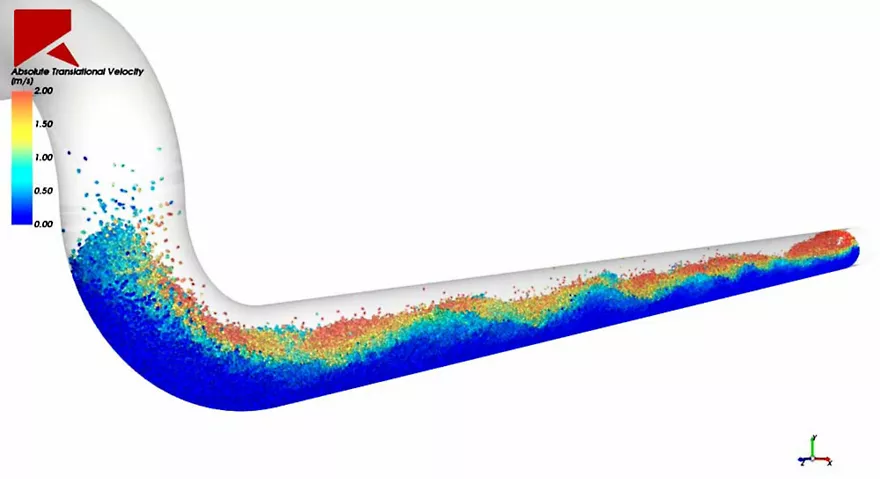
For complex applications — like ore washing or chute spray — we use advanced tools to simulate spray behaviour.
DEM (Discrete Element Modelling) simulates how sprays interact with ore, fines, and buildup.
These tools help us optimise nozzle layout, angle, and spacing before fabrication — saving time, water, and rework.
07
Key Takeaways
Spray design is based on real fluid dynamics, not just part numbers.
Matching the right nozzle geometry, angle, pressure and flow is critical.
We engineer spray systems that hit the ore, reduce waste, and last longer in the field.
When spray is engineered right, you use less water, wash more effectively, and reduce downtime.
A peak of our landscapecreations
At Simaflex Engineering, we believe engineered spray systems can do more than just meet a spec — they can move the needle on ore quality, reduce downtime and deliver a higher-grade product.
Our vision is to partner with forward-thinking miners who are ready to expect a higher yield from their ore. We don’t just supply components — we design with intent, engineer for longevity, and deliver solutions that shape better outcomes across the full project lifecycle.